
One of the more common errors in a defect file is measuring old work against a current code. The requirement that matters is the one that applied when the work was performed, and getting that wrong can invalidate an otherwise sound finding.
The edition in force at the time
Codes are amended. A stair, guard or handrail built under one edition is not defective because a later edition changed a dimension. The analysis has to establish when the work was performed, which edition governed then, and what that edition required for the condition at issue.
That sounds procedural, and it is, but it is also the first thing a competent opposing expert will check. A finding measured against the wrong edition is not a close call; it is simply wrong, and it takes the rest of the report's credibility with it.
Chicago and Cook County context
Chicago maintains its own code provisions and amendments, and local practice around inspection and enforcement matters alongside the text. Work performed in the city is not automatically measured the same way as work performed elsewhere in Cook County.
Three decades of building commercial, municipal, healthcare and retail work in this market is what makes that context usable rather than theoretical. Code compliance review is done from a builder's perspective: what the requirement was, and whether the installed condition satisfies it.
The installed condition, not the drawings
Code questions in defect litigation are usually about what was built rather than about what was drawn. A set of drawings can be fully compliant and the built condition can still fall short, because dimensions drift during construction and details get simplified in the field.
So the work is dimensional and physical. Conditions commonly measured include:
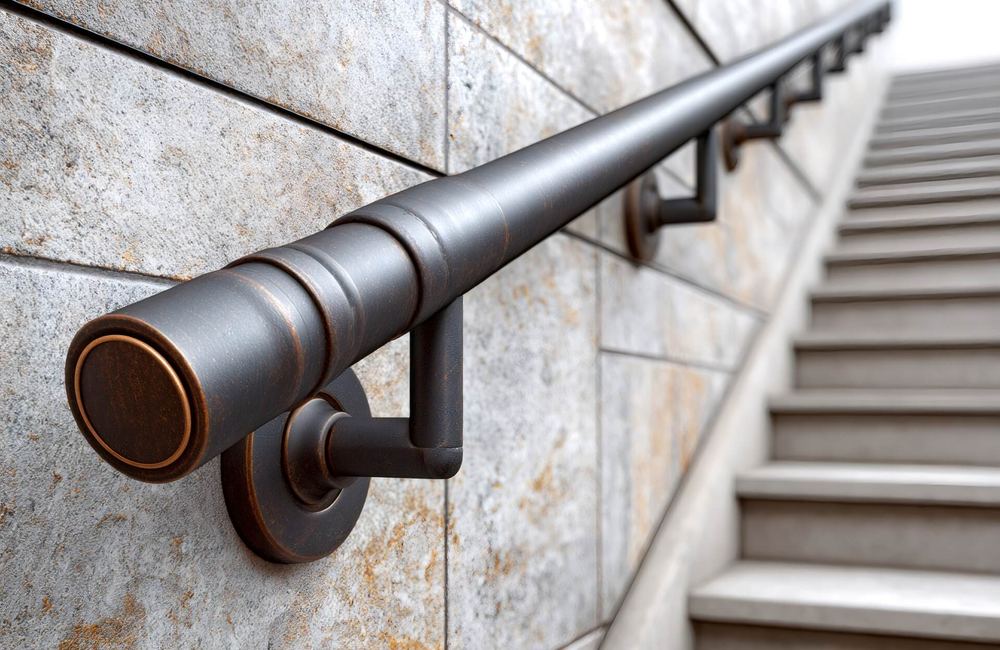
- Stair geometry, handrail height and continuity, and guard dimensions
- Fire-rated assembly installation and the condition of penetrations through it
- Egress path widths, transitions and walking-surface conditions
Each of these is measurable, which means the built condition either satisfies the requirement or it does not. That is a comfortable position for an expert to be in and an uncomfortable one to argue against.
Accessibility overlaps but is separate
Accessibility requirements frequently sit alongside code questions and are equally dimensional: running slope, cross slope, landings, threshold heights and clear width. Accessibility of built conditions is reviewed the same way, by measurement of what exists.
The overlap is real but the requirements are not identical, and a report should be clear about which it is applying to a given condition rather than treating them as one body of rules.
Where code analysis stops
A contractor's code opinion covers whether the installed condition meets the requirement that applied. It does not extend to whether the design should have specified something different, to structural adequacy, or to engineering calculations. Those are design questions and they get referred out.
Nor does a code violation automatically establish causation. Showing that a condition does not meet a requirement is one finding. Showing that the non-compliance produced the damage being claimed is a separate step, and it needs its own evidence.
Practical effect on a file
Establishing the governing edition early is worth doing before much analysis is invested, because it determines the measure everything else is compared against. Where the date the work was performed is itself in dispute, that dispute has to be resolved or the opinion has to be stated conditionally on each possibility. Saying so plainly is better than picking one and hoping. The same discipline runs through workmanship findings and through reports and testimony.
Discuss a matter
If you are evaluating a construction defect claim in Chicago or Cook County, send the parties, the property and the key dates for a conflict check and a scope discussion. Paul Gaston can be reached at paul@expertwitness.co or on 773-619-1226, or through the contact page.