
Overview
Paul Gaston examines flooring, door and hardware, millwork and fixture installation defects for counsel, insurers, owners and contractors across Chicago and Cook County. These are the trades he has performed and supervised for more than three decades, so the review compares the installed condition directly with the manufacturer instructions, the specification and accepted carpentry practice.
Related: Chicago Door Injury Expert · ExpertWitnessChicago.com
Finish trades generate a large share of defect claims because the work is visible, dimensional and governed by published installation instructions that are straightforward to measure against.
Flooring systems
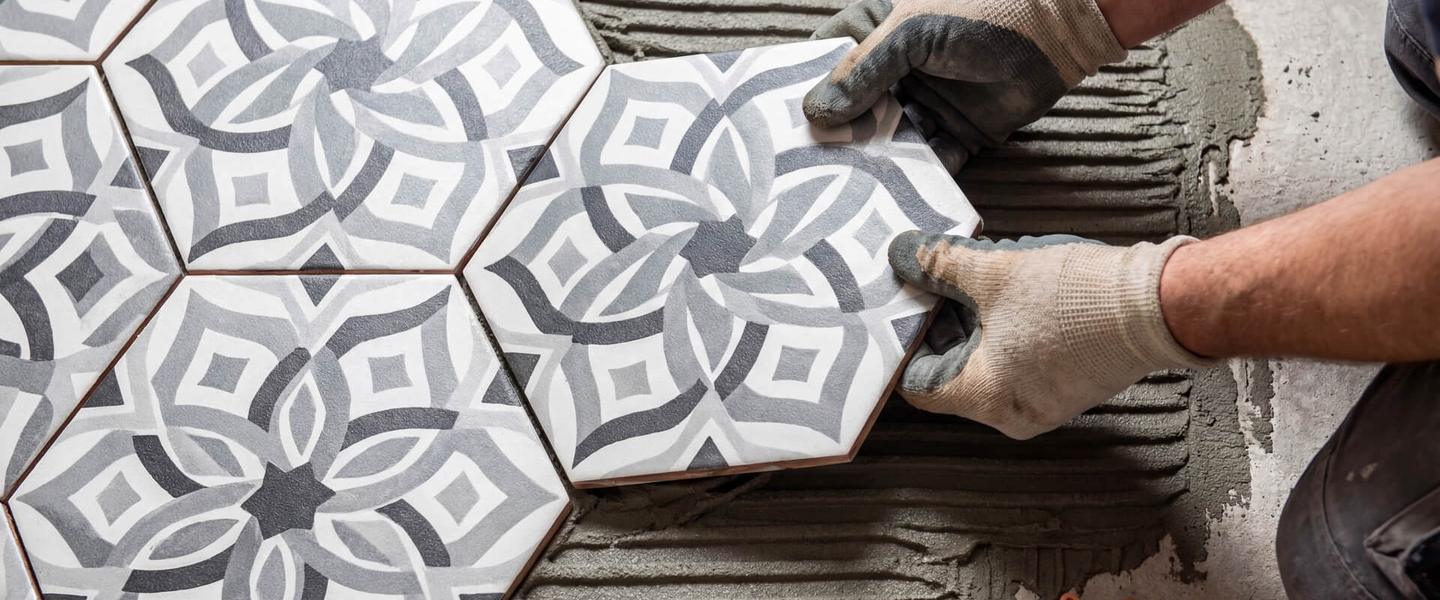
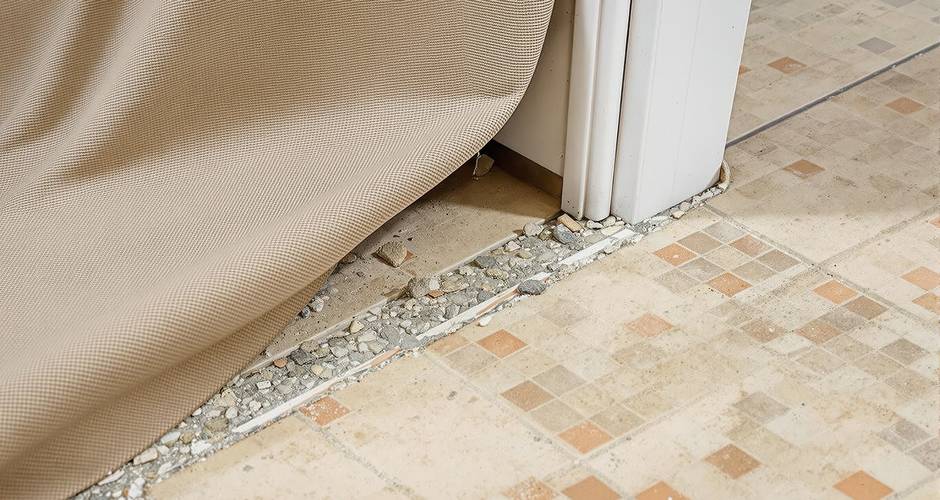
Tile, terrazzo, epoxy, coated and polished concrete, resilient and wood flooring are reviewed for substrate preparation, moisture conditions, adhesion, flatness and transition detailing.
- Substrate preparation, flatness and moisture testing before installation
- Adhesive, setting material and transition detail conformance
- Manufacturer installation instructions for the specific product used
Doors, hardware, millwork and fixtures
Door and frame installation, hardware function and mounting, casework and trim fit, and fixture anchorage are examined in place. These conditions are dimensional and repeatable, which makes them well suited to a measured, standards-anchored opinion.
- Door and frame alignment
- Hardware mounting and function
- Casework and trim fit
- Fixture anchorage and support
- Finish and tolerance review
Repair implications
Where a finish defect is confirmed, the scope and reasonable cost to correct it can be quantified as part of the same engagement.
Essential Details
Discuss a Matter
Request CV and Availability at paul@expertwitness.co or 773-619-1226.
Questions Attorneys Ask
Most often installation. Substrate preparation, moisture condition and adhesive selection are the common failure points, and each is measurable against the manufacturer instructions.
Yes. Moisture readings of the substrate and surrounding conditions are taken during the forensic inspection where the failure pattern suggests it.
Frame and door alignment, clearances, hardware mounting and function, closer adjustment, and whether the installation matches the approved hardware schedule.
Yes. Fit, attachment, substrate support, tolerance and finish are reviewed against the shop drawings and accepted carpentry practice.
Yes, covering anchorage, blocking and support, and whether the fixture was installed as the manufacturer required.
Yes. Repair scope and reasonable cost to correct defective finish work sit within a licensed general contractor's role.