
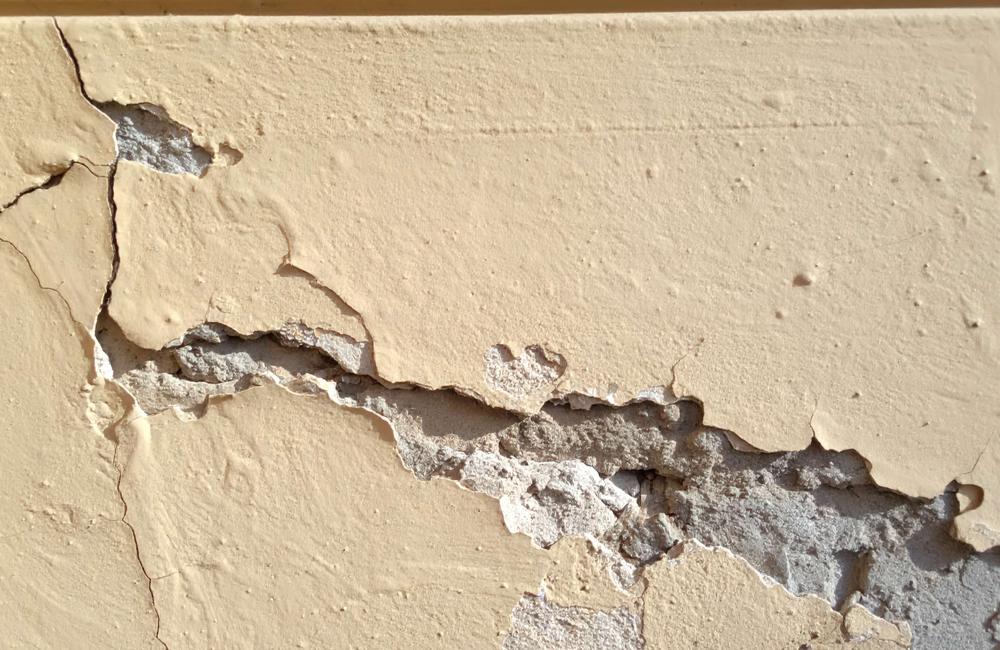
Not every complaint about a building is a construction defect claim. Owners notice cracks, stains and doors that no longer close, and the first question is always the same: was this built wrong, or is it the ordinary consequence of age, use or a design decision made long before anyone picked up a tool?
That distinction decides whether a claim is worth pursuing. It is also the question a construction expert is retained to answer, and it turns almost entirely on what was actually built rather than on what anyone intended.
The claim is about the installed condition
A defect claim starts with a physical condition that can be observed, measured and photographed. It is not an opinion about taste or a disagreement about how a space turned out. The condition either departs from what the work was required to be, or it does not.
That is why the review begins at the property. Conditions are documented as found, with measurements and moisture readings where they matter, before any conclusion is drawn about cause. A file built the other way round, where the theory comes first and the evidence is gathered to support it, tends not to survive examination.
Three sources set the standard
Installed work is measured against three things, and a claim usually rests on one or more of them:
- The contract documents. Drawings, specifications and approved submittals describe what the trade agreed to build. Comparing them with the built condition is the most direct test there is.
- The governing building code. Not the current edition, but the requirement that applied when the work was performed.
- Manufacturer installation instructions. For the products actually installed, these often carry more detail than the specification and are frequently where the departure appears.
Accepted trade practice sits alongside these, covering sequence, tolerance and the ordinary care a competent installer brings to the work. Workmanship review is the process of putting the built condition against all four and identifying where it departs.
Defect, wear, or design
Three explanations usually compete for the same condition, and separating them is most of the analysis.
Ordinary wear
Building materials move, finishes age and sealants have a service life. A condition consistent with the age and use of the building, in a location where that behaviour is expected, is not a defect because someone finds it unwelcome.
Design
If the detail was drawn the way it was built, the question is no longer whether the trade executed correctly. It becomes a design question, and that falls to a design professional. Structural adequacy and engineering calculations sit outside a contractor's opinion, and a report that reaches into them invites a challenge it does not need.
Defect
What is left is work that departs from the documents, the governing code, the manufacturer instructions or accepted practice, in a way that can be traced to how the work was performed. That is the claim.
What to gather before the first call
The review moves faster when the record is available early. Contract documents, specifications, approved submittals, change orders, inspection records, correspondence and any photographs taken before repairs began all matter. Photographs of the condition as first discovered are particularly valuable, because remediation frequently destroys the evidence of cause.
Where the condition has already been repaired, the analysis has to work from the record that survives. That is not fatal, but it narrows what can be said, and it is better for counsel to know that at the outset than to discover it in deposition.
Where the opinion stops
A licensed contractor's opinion covers workmanship, means and methods, code compliance of the installed condition, and the scope and cost to correct it. Engineering and design questions are referred out rather than stretched. Keeping the opinion inside the qualification is what keeps it admissible, and it is a deliberate limit rather than a gap. The full sequence of review, inspection, reporting and testimony is built around that boundary.
Discuss a matter
If you are evaluating a construction defect claim in Chicago or Cook County, send the parties, the property and the key dates for a conflict check and a scope discussion. Paul Gaston can be reached at paul@expertwitness.co or on 773-619-1226, or through the contact page.