
Overview
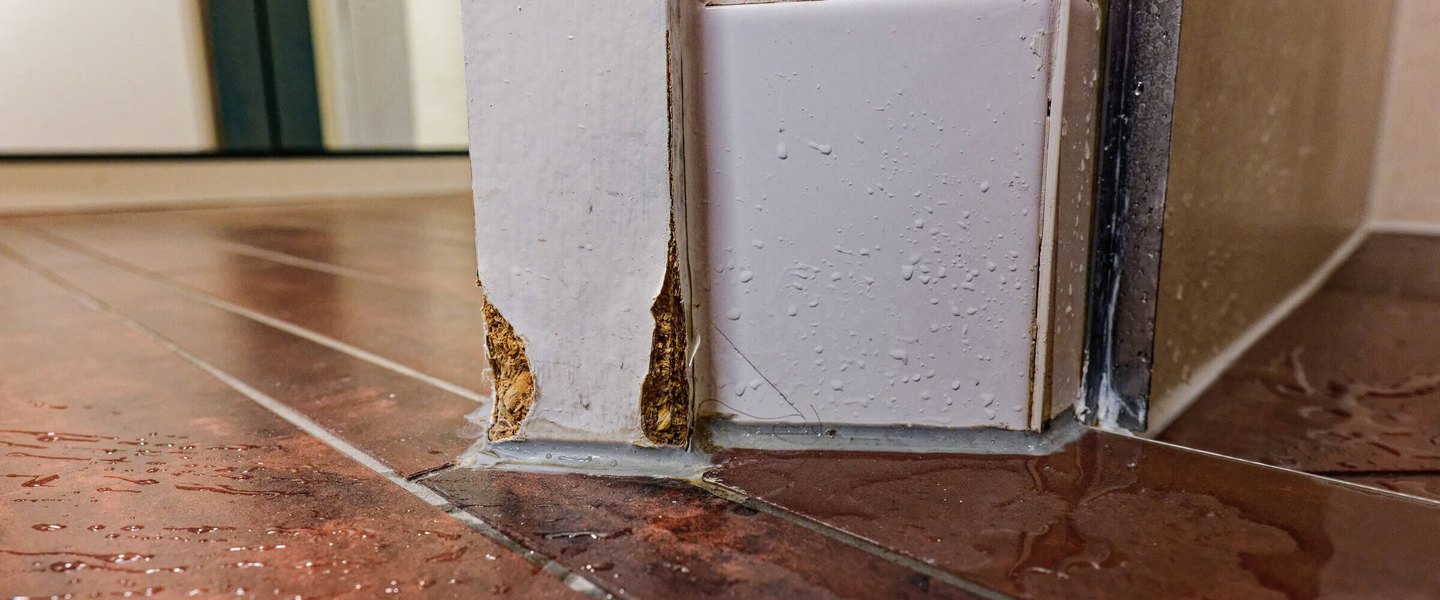
Paul Gaston investigates water intrusion, condensation and moisture conditions for attorneys, insurers and property owners in Chicago, Cook County and Chicagoland. He traces the moisture to its source and evaluates whether installation workmanship or envelope detailing caused it, using visual and forensic inspection, moisture readings, and comparison to manufacturer instructions and accepted practice.
Related: Chicago Water Intrusion Expert · ExpertWitnessChicago.com
Water finds the weakest detail. Establishing the entry point and whether the detailing was executed as required is what separates a workmanship claim from ordinary wear or a design question.
Envelope and installation review
Flashing, sealant joints, window and door installation, roof terminations, transitions and penetrations are examined for whether they were installed as the details and instructions required.
- Flashing, weather barrier and sealant joint installation
- Window, door and penetration detailing at the envelope
- Roof terminations, transitions and drainage conditions
Condensation and interior moisture
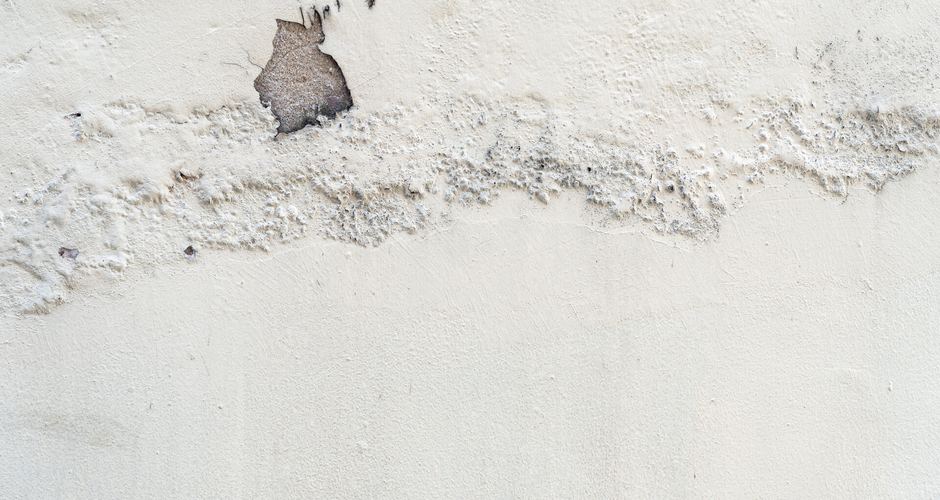
Not all moisture enters from outside. Condensation from envelope and ventilation conditions produces damage that looks like a leak. Paul's background includes building envelope work and HVAC balancing to prevent condensation, which allows the two to be separated on the evidence.
- Moisture mapping and readings
- Entry-point identification
- Envelope detail inspection
- Condensation condition assessment
- Findings and repair scope
Mold as a supporting matter
Where visible mold is present, Paul can identify it and its moisture source as supporting work. Health effects and medical causation are outside his scope entirely.
Essential Details
Discuss a Matter
Request CV and Availability at paul@expertwitness.co or 773-619-1226.
Questions Attorneys Ask
By tracing the damage pattern back to the envelope detail, taking moisture readings, and inspecting flashing, sealant and penetration conditions at the suspected entry point.
Usually yes. The moisture pattern, location and readings differ, and Paul's envelope and ventilation background allows the two conditions to be separated on the evidence.
No. Health effects, toxicology and medical causation are outside his scope. He identifies visible mold and its moisture source as a supporting capability only.
Workmanship. Whether the detail as installed matched the drawings and the manufacturer instructions. Design adequacy belongs to a design professional.
Active leaks are useful evidence. Inspection during or shortly after a wetting event often identifies the entry point more reliably.
Yes. Scope and reasonable cost to correct the defective work can be quantified in the same engagement.