
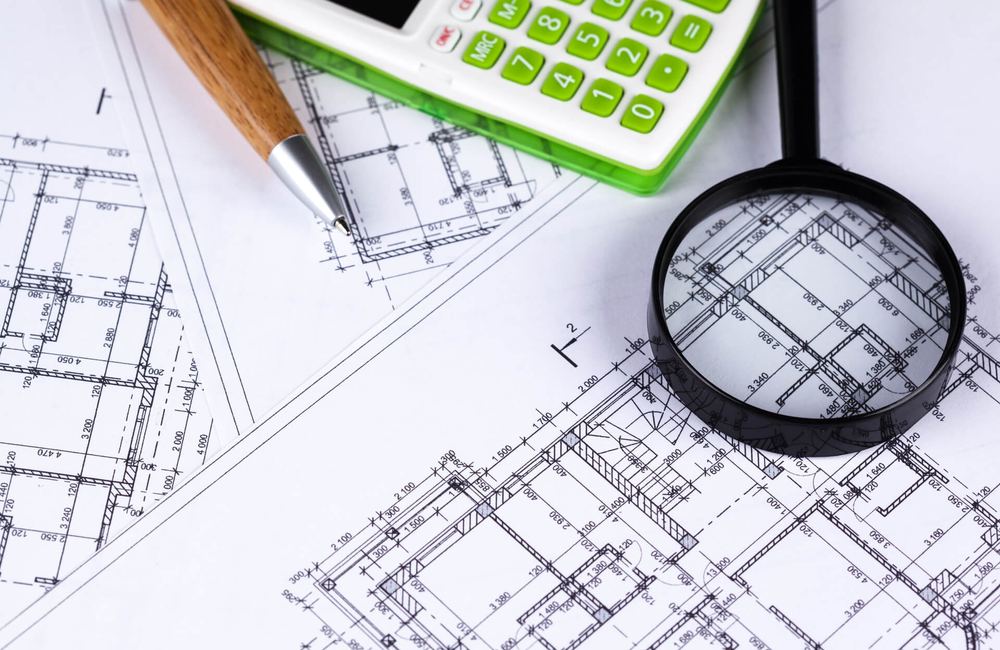
Most workmanship disputes are settled by a document comparison rather than by argument. The specification says one thing, the installed condition shows another, and the gap between them is the claim. Doing that comparison properly is less obvious than it sounds.
What actually governs the work
The drawings are the starting point, not the whole picture. A complete comparison works from the drawings, the written specifications, the approved submittals and the manufacturer installation instructions for the products that were actually installed.
Those four can disagree with each other. A submittal may have been approved with a substitution the drawings never contemplated. A specification may call for a system the manufacturer instructs be installed differently in the condition present on site. Working out which document controlled at the moment the work was performed is part of the analysis, not a preliminary to it.
Comparing document to condition
The comparison itself is physical. Dimensions get measured, fasteners and spacing get counted, assemblies get opened where access allows, and conditions get photographed as found. A specification requirement that cannot be tied to something observable at the property is difficult to use.
Three questions run through the exercise:
- What did the documents require at this location?
- What is actually installed, measured rather than estimated?
- Is the difference a departure, or is it within the tolerance the work allows?
That last question separates a real finding from a weak one. Construction is built to tolerances, not to absolutes, and a variation inside the accepted range is not a defect. Workmanship review that ignores tolerance produces findings that collapse under cross-examination.
Submittals and substitutions
Approved submittals are frequently the most useful documents in the file and the most often overlooked. They record what the trade proposed and what the design team accepted, which is not always what the specification originally described.
Where a substitution was approved, the installed product is measured against the approved product. Where a substitution was made without approval, that is itself a finding, and it usually goes to standard of care as much as to workmanship.
When the documents are silent
Specifications do not cover everything. Where the documents say nothing about a condition, the measure becomes accepted trade practice: what a competent installer would ordinarily have done in the same circumstances, given the products and conditions present.
That is a fair standard, but it is a different one, and a report should say which measure it is applying at each point. Blurring the two, so that a trade-practice opinion is presented as though the specification required it, is a straightforward way to lose credibility.
What the comparison cannot establish
A document comparison establishes what was required and what was built. It does not establish whether the requirement itself was adequate. If the detail was drawn poorly and built exactly as drawn, the trade performed and the question moves to the design professional.
It also does not, by itself, establish cause. Showing that an installation departed from the specification is not the same as showing that the departure produced the condition the owner is complaining about. Those are separate steps, and a report that runs them together is doing less work than it appears to.
Why it holds up
The reason this method survives examination is that every step is traceable. The requirement comes from a document in the record. The condition comes from a photograph and a measurement taken on site. The conclusion is the distance between them. Opposing counsel can test each link, which is exactly what a well-built opinion should invite. The same discipline runs through reports, rebuttal and testimony.
Discuss a matter
If you are evaluating a construction defect claim in Chicago or Cook County, send the parties, the property and the key dates for a conflict check and a scope discussion. Paul Gaston can be reached at paul@expertwitness.co or on 773-619-1226, or through the contact page.